How to build living documentation that actually stays updated
Your docs were thorough when you shipped them. Accurate, organized, maybe even linked to the right Slack channels. Then your team merged a PR that touched your payment service, and nobody updated the guide referencing it. Docs die this way every time. The culprit is the absence of any system that knows what changed and who should fix it. A week later, another merge. Two weeks after that, a whole feature gets reworked. The gap between your codebase and your docs just keeps widening because nothing bridges them. What you need is a feedback loop that detects staleness at the point of change and makes updates automatically.
TLDR:
- Documentation dies when code changes and nothing detects the drift between them
- Living docs need three systems: staleness detection, smart routing, and one-click fixes
- Auto-updating from PR hooks catches drift at the source, not months later during audits
- Falconer auto-drafts updates when code changes and alerts an engineer or stays in sync automatically with auto-update mode
Why most documentation is dead within six months
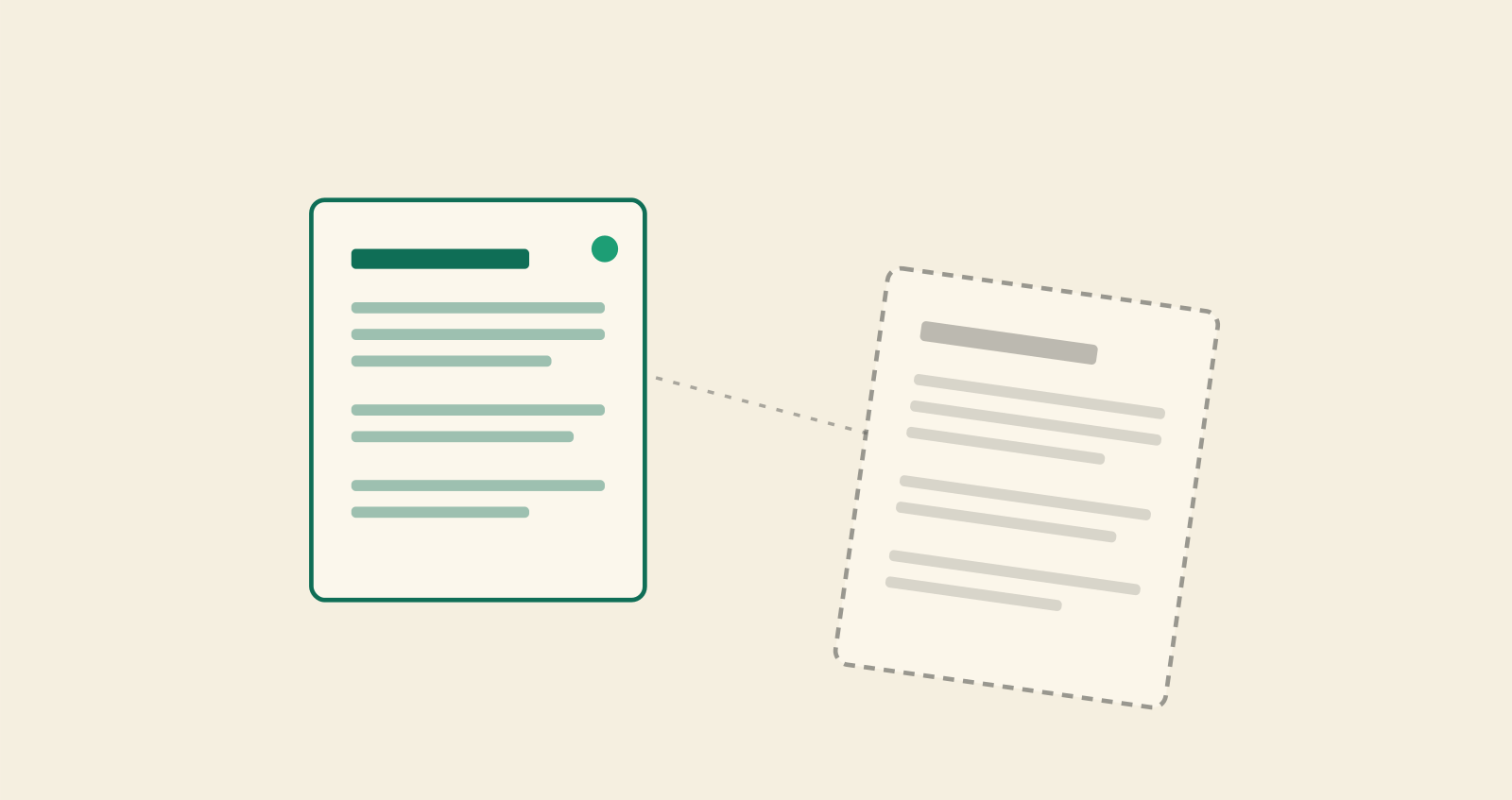
You write great docs during a launch week. They’re thorough, accurate, maybe even well-organized. Then someone merges a PR that renames a service, and nobody updates the onboarding guide. A week later, an API endpoint changes. Two weeks after that, an entire workflow gets refactored. The docs never move with the code because nothing connects them.
This is how documentation dies: the feedback loop breaks the moment writing stops. When docs live far from the codebase, staleness is inevitable. And the cost is real. Roughly half of developers lose around 10 hours a week just sourcing information they need to do their jobs.
Living documentation is a system property, not a document type
Most teams think of living documentation as a format. They picture artifacts like auto-generated API references. Those are useful artifacts, but they miss the point. A document generated from code once and never updated again isn’t alive. It’s a snapshot with better provenance.
Living documentation is a property of how your entire system behaves, and it’s becoming the kind of company brain that separates high-performing teams from the rest. When a service gets renamed, do the docs that reference it know? When a workflow changes, does anything flag the runbook describing the old version? If the answer is no, you have static docs regardless of how they were produced.
The real question is whether your documentation infrastructure has any awareness of what’s changed since these were last accurate.
That awareness is the architectural requirement. Without it, accuracy is always aspirational, never automatic.
The three components every living documentation system needs
Strip away the complexity and every living documentation system runs on three things working in concert.
A feedback loop that detects staleness
Something has to watch for change. When a PR merges, when an endpoint gets deprecated, when a config file changes, the system should recognize which documents are now out of date. Without this detection layer, you’re relying on someone remembering to track down and fix outdated docs, and nobody remembers.
A routing mechanism that surfaces work to the right person
Detecting drift is useless if the alert lands in a general channel where everyone ignores it. The person who merged the PR or owns the service needs to see what broke, with enough context to act. Think Slack notifications that link directly to the affected doc and the code change that triggered it, letting you update docs from Slack.
A low-friction path to actually fix it
Even well-routed alerts die if the fix requires switching tools, hunting for the right page, and rewriting paragraphs from scratch. One-click approvals, inline edits, or AI-suggested rewrites collapse the effort from minutes to seconds.
Most teams have zero of these three. Some might have a linting check that catches broken links, which loosely qualifies as a feedback loop. But without routing and low friction together, the detection just generates noise. All three components are load-bearing. Remove one and the whole structure collapses back into static docs that quietly rot.
| Documentation Approach | Staleness Detection | Work Routing | Fix Friction | Typical Outcome |
|---|---|---|---|---|
| Static docs with manual audits | Quarterly reviews find drift months after it happened, when dozens of PRs have already introduced inaccuracies | General Slack channel where alerts compete with 40+ unread messages, no clear ownership | Find the page, reread old content, rewrite paragraphs from scratch, fix formatting - 10+ minute task nobody scheduled | Docs are accurate at launch, then drift accumulates invisibly until next audit cycle |
| Auto-generated reference docs | One-time snapshot from codebase with no ongoing change detection after initial generation | No routing mechanism - generated once and forgotten until someone reports inaccuracy | Requires regenerating entire doc set or manually editing generated output that gets overwritten | Better provenance than handwritten docs, but still becomes stale snapshot within weeks |
| Living documentation system | PR hooks scan commit diffs against linked docs in real-time, flagging affected pages the moment code changes merge | Direct Slack DM to the engineer who wrote the code, bundled with PR context and specific affected doc section | AI-drafted rewrite with code diff included, ready for one-click approval or inline review - under 2 minutes | Docs stay current automatically because fixing takes less effort than ignoring the alert |
| Wiki with good intentions | Relies on engineers remembering to update docs when they change code - no automated detection | Assumption that code author will proactively find and update related docs without prompting | Open wiki, search for relevant pages, update each one individually, hope someone reviews it | High-quality writing at creation that becomes quietly outdated as team forgets to maintain it |
How documentation drift actually happens
Documentation drift rarely starts with a dramatic failure. It starts with a renamed variable that nobody propagates to the setup guide. A feature flag gets deprecated, but the troubleshooting doc still references it. Someone updates an internal term in Slack, and three wikis keep using the old one.
Each gap is small on its own. The real damage comes from compounding. A new hire reads the outdated doc, writes their own notes based on it, and now two documents reference something that no longer exists. Future decisions get made on inherited inaccuracies. Drift breeds drift.
This is why manual maintenance can’t keep up. The rate of code change at any growing company outpaces even the most disciplined team’s ability to audit what’s stale. Every merged PR, every renamed service, every shifted workflow is a potential source of divergence, and the gap only widens with time.
Building the feedback loop that catches stale docs
The most reliable feedback loops trigger at the point of change, not on a calendar. Quarterly doc audits sound responsible, but by the time the review happens, dozens of PRs have already introduced drift nobody tracked.
Practical approaches that work:
- PR hooks that scan commit diffs against linked documentation, keeping docs in sync with PRs by flagging any doc that references a changed file, endpoint, or service name
- Automated testing of code snippets embedded in docs, so broken examples surface in CI before they reach a new hire’s terminal
- Timestamp comparisons between a document’s last edit and the last meaningful change in related code paths
Each of these moves detection from “someone should probably check” to “the system already knows.” The goal is to make staleness visible the moment it appears, not months after it has already caused confusion.
Surfacing documentation work to the people who can fix it
Detection without routing is just noise. When a PR merges that touches your authentication service, the alert shouldn’t land in a #docs-updates channel where it competes with 40 other unread messages. It should reach the engineer who wrote the code, with a direct link to the affected document and a clear summary of what diverged.
Context matters as much as delivery. A useful notification bundles three things together: the code change, the specific doc section now out of date, and a suggested edit. Without that bundle, you’re asking someone to context-switch, hunt down the right page, reread it, figure out what’s wrong, and then fix it. That’s a five-step process disguised as a one-line ping.
The best routing systems tie ownership to code paths, not to individuals who volunteered once during a team offsite. When ownership follows the code, the person most qualified to update the doc is always the one who gets the ask, creating a self-updating company brain.
Making fixes so easy they actually happen
Knowing a doc is stale and actually fixing it are separated by a friction gap that kills most maintenance efforts. The engineer sees the alert, agrees it’s outdated, and then nothing happens. Updating means opening a wiki, finding the right section, rereading old content, drafting new text, and hoping the formatting holds. That’s a ten minute task nobody scheduled.
The fixes that actually ship share a pattern: they meet people where they already are and minimize decisions.
- AI drafted rewrites that include the relevant code diff, ready for a one click approval
- Inline editing directly from a Slack notification, no tab switching required
- Pre filled update templates that show old content alongside what changed and why
If a doc fix takes longer than two minutes, it gets deferred indefinitely. The goal is to make updating feel closer to approving a suggestion than authoring from scratch.
How Falconer turns documentation maintenance into background work
Everything described above is what we built Falconer to do. When a PR merges, Falconer automatically detects which documents reference the affected code and drafts proposed changes to update docs when code changes. That feedback loop closes on its own. Routing happens through Slack DMs sent directly to the right person, bundled with PR context and a summary of what diverged. From there, you accept the suggested edit in one click, review it inline, or reject it. No tab switching, no hunting.
The result is that living documentation becomes the default state of your knowledge base, not a goal pinned to a quarterly initiative that everyone quietly abandons by week three.
Falconer also generates documentation from your codebase from scratch. Connect a GitHub repository and Falcon drafts architecture guides, runbooks, and onboarding docs grounded in your actual code. What used to take two hours of writing becomes fifteen minutes of reviewing a draft. The downstream effect on onboarding compounds quickly: when docs stay current and accurate from day one, new engineers unblock themselves without pulling senior teammates out of focused work. Design partners report cutting engineer onboarding time by up to 30%.
For teams running coding agents like Claude Code or Cursor, Falconer connects via MCP. The same live knowledge layer that keeps your docs current is accessible directly in your coding environment, so your agents work from the same source of truth as your team instead of a stale snapshot buried in a wiki.
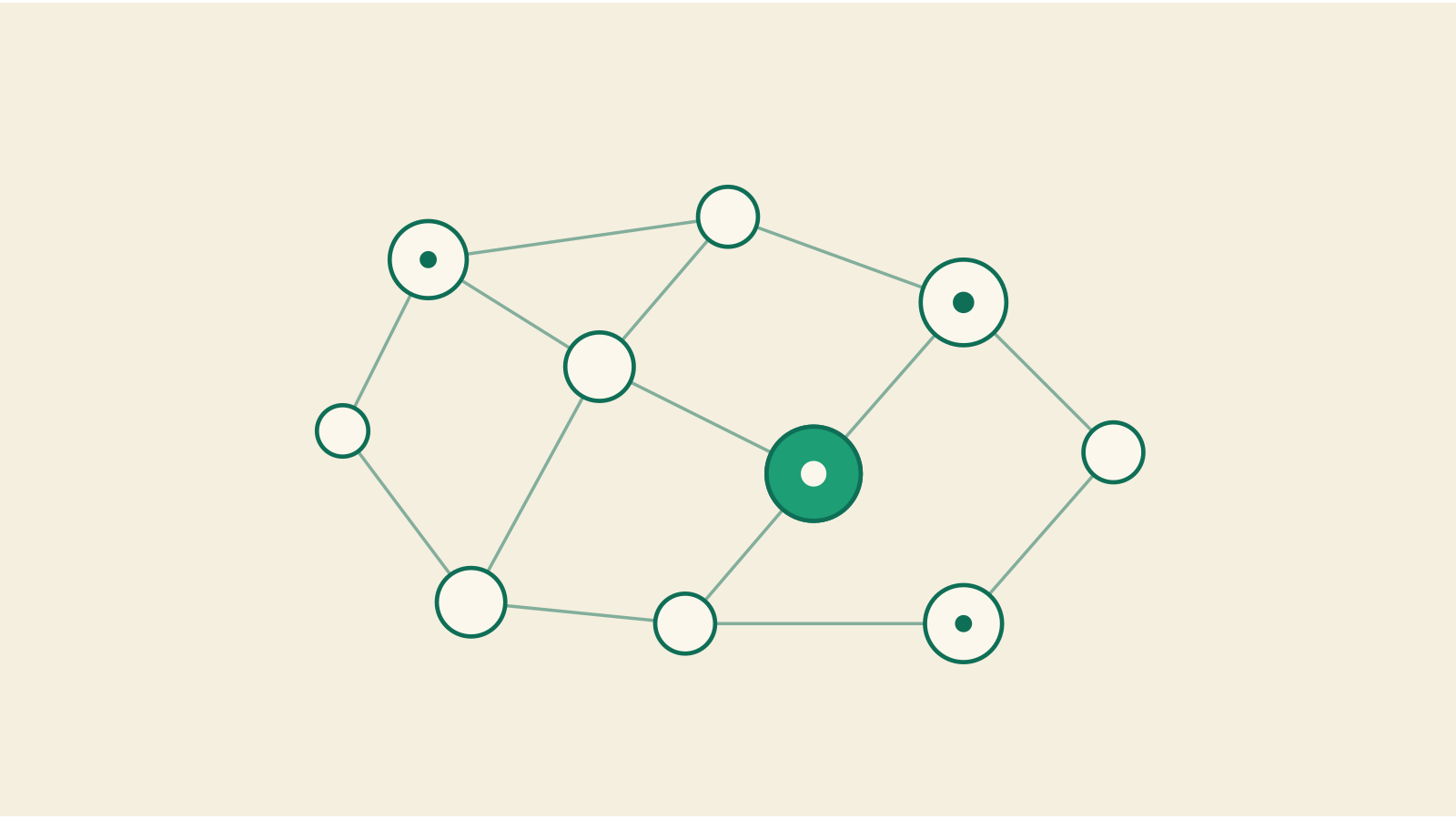
If your existing documentation is already scattered, Falconer’s Organize feature analyzes what you have and proposes a restructured information architecture — new folders, regrouped docs, better naming — before applying anything. You review the proposal and accept what makes sense.
Final thoughts on documentation that actually lives
Living documentation only happens when your system can detect what’s stale, tell the right person, and make fixing it take less time than ignoring it. Those three pieces together turn documentation maintenance from a quarterly project everyone dreads into background work that happens automatically. If that sounds better than your current process, give Falconer a try and see what it’s like when your docs keep up without anyone having to remember.
FAQ
What’s the difference between living documentation and auto-generated docs?
Living documentation is a system that detects when your codebase changes and updates affected docs automatically. Auto-generated docs are just one-time snapshots pulled from code. They go stale the moment your code evolves unless something actively maintains them.
Can I build living documentation without rebuilding our entire doc system?
Yes. Living documentation works by connecting your existing tools through three components: a feedback loop that detects staleness (like PR hooks), routing that alerts the right person, and low-friction fixes (like one-click approvals from Slack). You can layer this on top of your current wiki or markdown files.
How do you detect which docs are out of date when code changes?
The most reliable approach triggers at the point of change. PR hooks scan commit diffs against linked documentation to flag any doc referencing a changed file, endpoint, or service name. You can also run automated tests on code snippets embedded in docs, so broken examples surface in CI before a new hire copies them.
Living documentation vs quarterly doc audits?
Living documentation catches drift the moment it happens by triggering updates when PRs merge. Quarterly audits happen months after dozens of changes have already introduced inaccuracies that nobody tracked, so you’re always playing catch-up on compounded staleness.
Why do most documentation fixes never actually happen?
The friction gap between knowing a doc is stale and fixing it kills most updates. If the fix requires opening a wiki, finding the right section, rereading old content, and rewriting paragraphs, it becomes a ten-minute task nobody scheduled. Fixes that actually ship take under two minutes and happen where people already work.
Ready to get started?
Create an account and start building your knowledge base — no contracts or credit card required. Or, contact us to design a custom package for your team.
Ready to get started?
Create an account and start building your knowledge base — no contracts or credit card required. Or, contact us to design a custom package for your team.